Ice Maker Not Making Ice? 7 Common Causes Homeowners Miss
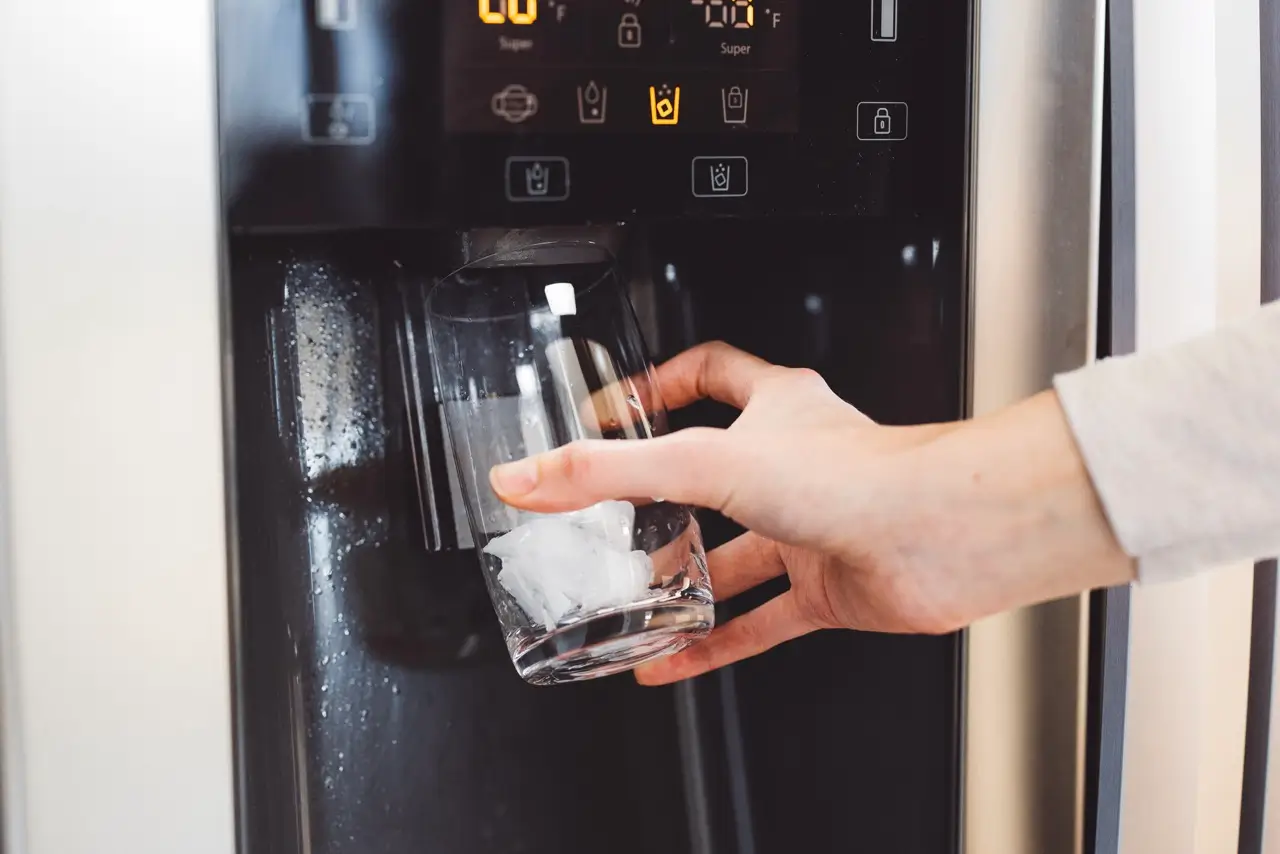
When your ice maker suddenly stops producing ice, it’s easy to assume it’s completely broken. In reality, many ice maker problems are caused by small, often overlooked issues that slowly build up over time. Homeowners in Florida especially see these problems more often due to heat, humidity, and water quality.
Below are 7 common reasons ice makers stop making ice — and why they’re frequently missed until the problem gets worse.
1. Low Water Pressure (Not a Total Shutoff)
Many people check whether the water is on — but don’t realize low water pressure can stop ice production just as effectively as no water at all.
Low pressure can be caused by:
-
Partially closed shutoff valves
-
Aging supply lines
-
Mineral buildup inside the water line
When pressure drops, the ice maker may run but never fully fill the mold.
2. A Clogged or Overdue Water Filter
Water filters don’t just affect taste — they directly affect ice production.
A clogged filter can:
-
Reduce water flow
-
Cause small or hollow ice cubes
-
Stop the ice maker from cycling altogether
If the filter hasn’t been replaced on schedule, this is one of the first things a technician checks.
3. Freezer Temperature Is Slightly Too Warm
Ice makers are very sensitive to temperature. Even a small change can stop ice production.
Common causes include:
-
Overloaded freezer
-
Poor airflow
-
Door seals not closing tightly
If the freezer can’t reach the proper temperature, ice won’t freeze fast enough to complete the cycle.
4. Frozen Fill Tube or Ice Buildup
A frozen fill tube is a common issue that’s often mistaken for a bad ice maker.
This usually happens when:
-
Water drips slowly into the tube
-
Airflow inside the freezer is restricted
-
The ice maker is slightly misaligned
Simply defrosting the tube may work temporarily, but without fixing the cause, the freeze-up often returns.
5. Faulty Water Inlet Valve
The water inlet valve controls how much water enters the ice maker. When it starts to fail, it may:
-
Open too slowly
-
Not open at all
-
Cause inconsistent ice production
This is one of the most common failures we see — and it’s rarely obvious without testing.
6. Sensors or Control Components Out of Sync
Modern refrigerators rely on sensors and control boards to time the ice-making cycle.
When these components fail or lose calibration:
-
The ice maker may stop mid-cycle
-
Ice production may become intermittent
-
The unit may appear “on” but never make ice
This issue often appears after power outages or electrical fluctuations.
7. Ice Maker Is Turned On — But Not Actually Cycling
Homeowners are often surprised to learn the ice maker can be switched on but still not function.
This can be caused by:
-
Mechanical wear in the ice maker module
-
Ejector motor problems
-
Internal timing failures
In these cases, the ice maker needs professional diagnosis rather than a reset.
When to Call for Professional Ice Maker Repair
If your ice maker:
-
Has stopped making ice completely
-
Makes ice inconsistently
-
Produces very small or hollow cubes
-
Leaks water or freezes up repeatedly
…it’s usually time for a professional inspection. Catching the problem early often prevents water damage and avoids unnecessary replacement.
Repair vs. Replacement: What Most Homeowners Don’t Know
Many ice makers that “stop working” can still be repaired. Replacement is typically only recommended when:
-
The unit is no longer supported
-
Major components are damaged
-
Repair costs exceed replacement value
A proper diagnosis makes the difference.
An ice maker not making ice is rarely a random failure. It’s usually the result of small issues building up over time. Understanding these common causes helps homeowners make smarter decisions — and avoid bigger problems down the line.
If your ice maker still isn’t working after checking the basics, professional repair is often the fastest and most cost-effective solution.